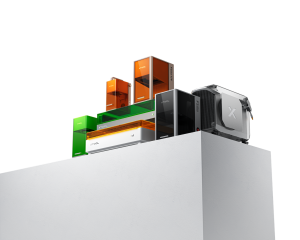
Start an Online Shop with a Laser: How Makers Turn Custom Designs into Sales with xTool

Open any online marketplace and you’ll notice the same thing: buyers love personalized products. Names on cutting boards, custom wedding signs, engraved keychains, branded gift tags. These items sell because they feel one of a kind. If you’ve been dreaming of building a small shop around that idea, a desktop laser machine like those from xTool can be a practical way to turn your creativity into a real product line.
Why Personalized Products Sell
People don’t just buy objects, they buy meaning. A wooden ornament with a family name, a coaster set made for a housewarming or a metal tag engraved with a pet’s name carries an emotional value that mass-produced items can’t match. Shoppers are often willing to wait a little and pay a little more for something made just for them.
That’s where a laser engraving machine fits in. It gives you the precision to create clean, detailed work again and again, so every order looks as polished as the last.
Choosing Products to Start With
You don’t need a huge catalog to begin. A handful of focused items can be enough to test the market and learn what your customers love. Some popular starting points for makers include:
- Personalized wooden signs, ornaments and home decor
- Engraved keychains, bag tags and pet tags
- Custom coasters, cutting boards and serving boards
- Jewelry, earrings and charms made from wood or acrylic
- Gift packaging details, labels and event decorations
Pick items that match the materials your machine handles well, and choose designs you enjoy making, since you’ll be making a lot of them.
Pick the Right Machine for Your Plans
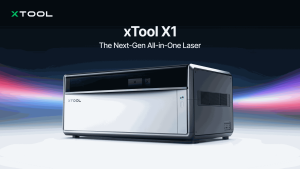
Different projects call for different laser types, so think about your first products before you choose. Diode machines are popular for wood, leather and acrylic, CO2 machines are strong for cutting and smooth engraving on many materials, and fiber or infrared options are aimed at marking metals. If you’re comparing options, researching a desktop laser cutter by the materials, workspace size and speed you need will help you avoid paying for features you won’t use.
Build Your Workflow Early
A small shop runs best when the process is simple and repeatable. A few habits can save you time and stress:
- Create reusable design templates so customizing an order takes minutes, not hours
- Keep a notebook of settings that work for each material
- Test new designs on scrap pieces before using your good material
- Batch similar orders together to save setup time
- Set clear processing and shipping times so customers know what to expect
Photography and Presentation Matter
Online buyers can’t touch your product, so clear photos and honest descriptions do a lot of the selling. Show your item in natural light, include close-ups of the engraving detail and give accurate sizes and material information. Thoughtful packaging, like a simple wrap or a handwritten thank-you note, can turn a one-time buyer into a repeat customer.
Know the Business Basics
Before you start selling, take time to understand your costs, including materials, shipping, selling fees and your own time, so you can price your items sustainably. Check local rules about running a small business, taxes and selling online, and be careful with designs. Use only artwork you created or have the right to use, and avoid copying logos, characters or protected designs that belong to others.
Safety Comes First
Working with a laser means respecting a powerful tool. Follow the manufacturer’s instructions, make sure your workspace is well ventilated, use only laser-safe materials and never leave a running machine unattended. Good safety habits protect you, your space and the quality of your work.
Final Thoughts
Turning a creative skill into a small business doesn’t happen overnight, but it can start with a single project and a few early orders. With the right tools, a clear plan and a focus on personalized, well-made products, it’s a path many makers have found rewarding. If you’re curious about building your own shop, xTool offers a range of machines worth exploring. Check the current models and features, choose the one that matches your materials and goals, and start with your first design.